Eczema isn’t just one specific skin condition but a group of inflammatory skin conditions that causes itchiness, dry skin, rashes, scaly patches, blisters and skin infections. The most common type of eczema is atopic dermatitis.
Those with eczema have a weakened skin barrier that allergens can penetrate. This is why sufferers may also develop issues such as food allergies, hay fever or asthma – a phenomenon known as atopic or allergic march.
The brain itself doesn’t feel pain. It’s the meninges that cover your brain as well as the muscles, skin and nerves in your head that hurt during a headache.


Asthma
Impaired skin barrier
Food allergy
Hay fever
Atopic march
There is no one “main” reason as eczema can be triggered by more than one cause, including an overactive immune system, family history, stress and certain triggers such as dust, pollen, grass, pet dander, nickel, and chemicals in fragrances, toiletries and laundry detergents.
WHAT’S CAUSING IT?
Click to find out
Destressing may help reduce chronic itch as stress and eczema affect the same areas in the brain.



Apply medical-grade honey on affected areas overnight for a week.



Try cold therapy to constrict blood vessels and decrease internal inflammation.


Take an "oatmeal bath" or swim in a chlorinated pool 2 or 3 times a week.


Self-help solutions
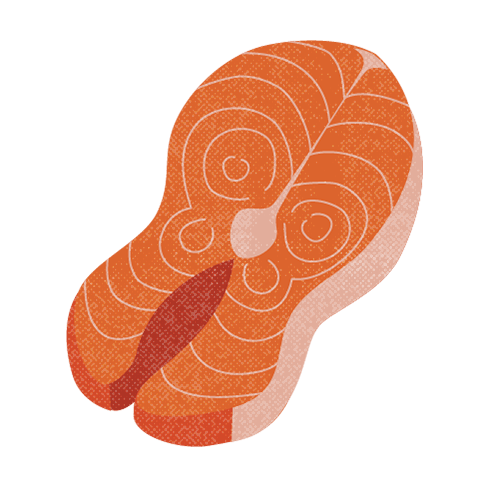
Anti-inflammatory foods such as salmon, kale, broccoli, blueberries and cherries may lessen eczema symptoms.
Did you know?

See a doctor if the eczema does not improve after 2 days of home treatment, the itch affects your sleep and daily activities, your skin shows signs of infection, or you develop a fever.
Medical-grade moisturising creams, prescription topical medications, phototherapy, immunosuppressants and injectable biologics may be used.
TREATMENTS
of your total body weight.
%
0
to
0
%
Your skin weighs about
of skin by age 70.
3
kg
A large percentage of the dust in your home is actually dead skin. In fact, the average person will shed about
Did you know?
Related stories:
Skin rashes can be red, bumpy, dry, itchy or painful. It’s fairly common and almost everyone has experienced it at some point.
Types of skin rashes
Click to find out more
Bacteria, viruses, fungi, skin conditions such as eczema, psoriasis and contact dermatitis, and exposure to allergens including the sun or grass can give rise to rashes.
WHAT’S CAUSING IT?
Click to find out
Correct lifestyle factors eg. improve posture, stretch often at work, eliminate triggering foods.


Apply cold compress for up to 10 minutes for the itch.

Take an over-the-counter antihistamine.


Keep a journal of when rashes occur to identify potential triggers and avoid them.

Self-help solutions
Click to see how it looks
Scratching temporarily distracts the brain with a mild pain sensation and also releases serotonin in the brain.
Did you know?
See a doctor immediately if the rashes are accompanied with swelling in the throat, difficulty breathing or if symptoms worsen. The rashes could be signs of a serious allergy reaction and you may receive an epinephrine injection.
Otherwise, you may be prescribed topical steroid creams or other medications specific to the skin condition you have.
TREATMENTS
One of the most common causes of itchiness is dry skin, which causes microfractures within the skin barrier.
Did you know?
Related stories:
Click to find out
Lifestyle factors, including poor posture, noise, light, reaction to triggers such as aged cheese, alcohol, aspartame, chocolate, coffee, MSG and cured meats with nitrates or nitrites.

Hormonal changes such as oestrogen levels, particularly in migraine.

Imbalances in brain chemicals such as serotonin, which helps to regulate pain.
Changes in the brainstem and interactions with the trigeminal nerve, a major pain pathway.
WHAT’S CAUSING IT?
g
1200
The average adult head weighs about
Acne is also known as acne vulgaris. Early signs include white heads and black heads, while severe acne can present itself as pus bumps, cysts and nodules. It occurs on the face, chest and upper back – and can leave scars that are pitted or thickened.
It’s not only teenagers and young adults who are prone to acne. An estimated 80% of people between ages 11 and 30 will have at least a mild form of acne, though it’s more common in those undergoing hormonal changes. Adult acne is more common among women and if you have a family history of acne.
Fainting or syncope is a temporary loss of consciousness from a sudden decrease of blood flow to the brain.
Click to view
Did you know?
Types of acne
Click to find out more
These clogged and inflamed oil glands are often the result of hormonal changes, stress, abnormal shedding of dead skin, bacterial infection, inflammation and certain medications such as steroids, birth control pills, antidepressants and even B vitamin supplements.
WHAT’S CAUSING IT?
Cutibacterium acnes or C. acnes is the skin bacteria that thrives on sebum and causes acne.
Did you know?

Click to find out
Don’t pick, squeeze or scratch acne.




Get enough sleep and avoid irregular bedtimes.


Avoid heavy make-up.
Wash your face twice a day with an anti-acne wash.
Self-help solutions
Acne or pimple? Pimples are a symptom of acne and refer to the clogged or inflamed oil glands in your skin.
Did you know?
See a doctor if there’s a sudden breakout, over-the-counter products still don’t work after 3 months, your acne is moderate to severe, or you think it’s caused by a medication. Treatments include oral antibiotics for 6 to 8 weeks, oral contraceptives for female patients and oral isotretinoin.
TREATMENTS
Some studies suggest that a high glycaemic load diet may cause acne to develop or worsen it.
Did you know?